Harwood, ND welcomes AI investment with developer-funded power upgrades and low-water cooling
Utilities say the developer will pay for needed electrical infrastructure improvements. Closed-loop cooling will eliminate consumptive water use for equipment cooling, with other water consumption expected below one household’s use per building.
Key facts
- Cass County Electric says the developer will pay for the necessary electrical infrastructure improvements.
- Applied Digital projects roughly $1.65 million in annual property taxes for Harwood’s city government at full buildout in 2028.
- Closed-loop cooling eliminates consumptive water use for equipment cooling, and utilities expect other water consumption to be less than that of one single-family home per building.
- Applied Digital expects more than 200 full-time employees when the campus is fully operational, plus contractors.
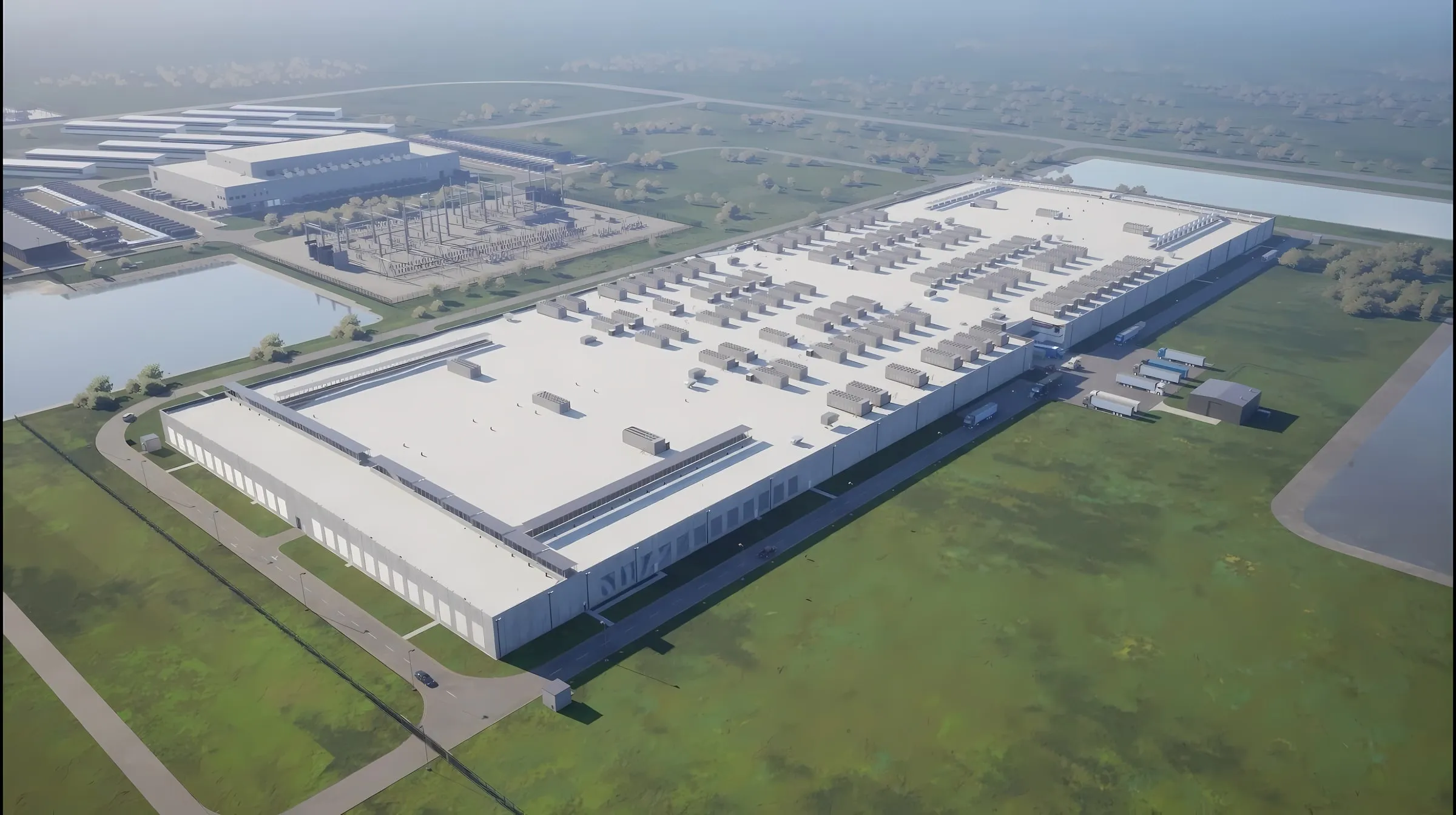
The AI data center under construction near Harwood, North Dakota, comes with utility commitments that deserve attention. The developer will pay for needed electrical upgrades, and the cooling design avoids consumptive water use for equipment cooling. Mayor Blake Hankey also expects jobs and property-tax revenue that can help the city repair roads and sewer infrastructure.
Data centers done the right way—with community partnership and lasting local benefits.
— Jason Zhang (@realjasonzhang), Applied Digital president and co-founder. View the post on X, November 6, 2026
Thank you, Mayor Blake Hankey, for sharing Harwood’s story on FOX Business.
Cass County Electric Cooperative and Minnkota say the campus will use closed-loop cooling that eliminates consumptive water use for equipment cooling. They expect other water consumption to be less than that of one single-family home per building. That is different from saying the entire project uses no water.
Cass County Electric also says the developer will pay for the necessary electrical infrastructure improvements. That addresses who pays for those improvements, but it is not a guarantee about future residential electricity rates.
Harwood voters rejected additional industrial-review requirements on November 3. The vote was decisive. InForum reported an unofficial tally of 325 No to 105 Yes on the proposed charter amendment, or 75.6% of votes cast against it.
Those utility commitments make the project more encouraging for the AI buildout. Applied Digital’s planned Polaris Forge 2 campus represents a substantial investment, and Mayor Blake Hankey sees a chance to use the resulting tax base to improve the city people already live in. That is a good reason to welcome new infrastructure.
“I’m personally very happy to have the data center,” Hankey said in a Fox Business interview.
The vote was not a referendum approving the campus, though. The rejected Article X amendment would have required additional technical review, public hearings and written findings for qualifying industrial projects needing discretionary city action. It preserved already-final approvals and vested rights, while future expansions or modifications needing new approvals could have faced review.
Voters rejected those additional requirements. The result does not tell us why each person voted that way, or settle every question about the project.
What Harwood stands to gain
Applied Digital announced a $3 billion campus with an initial capacity of 280 megawatts and more than 200 full-time employees expected when fully operational, plus contractors. Those are company projections, not investment and employment already delivered.
Hankey’s enthusiasm extends beyond the jobs. In the interview, he described anticipated property-tax revenue as a way to pay for roads and city sewer improvements that would otherwise require more money from residents. He acknowledged that some additional taxes or special assessments could still be necessary.
There is a specific forecast behind that argument. In a company presentation hosted by the North Dakota Legislature, Applied Digital projects roughly $1.65 million in annual property taxes for Harwood’s city government at full buildout in 2028. Its estimate across all local taxing authorities is $7.61 million annually.
Those figures are forecasts, not guaranteed receipts or finalized assessments. Actual collections depend on construction timing, project scope, tax rates and any exemptions or abatements.
Still, the proposed benefit is easy to understand. A data center needs physical infrastructure, and its tax payments can help fund infrastructure for its neighbors. The company has to deliver the project and the revenue, but the mayor is right to take that opportunity seriously.
Residents deserve clear answers
Residents should be able to examine those commitments. InForum reported concerns from Voices of Harwood and other residents about the speed and transparency of the approval process, including an early nondisclosure agreement. Those are legitimate questions about how the city makes decisions. Supporting the project does not require dismissing them.
Applied Digital president and co-founder Jason Zhang described the project as “Data centers done the right way” with “community partnership and lasting local benefits.” That is the company’s case. Its execution will determine whether residents agree.
Harwood has a concrete opportunity here. If Applied Digital delivers the campus and the projected tax revenue follows, the city can gain jobs and money for infrastructure improvements. Building AI capacity and improving the surrounding community are compatible goals. Harwood’s mayor is making the case for both.