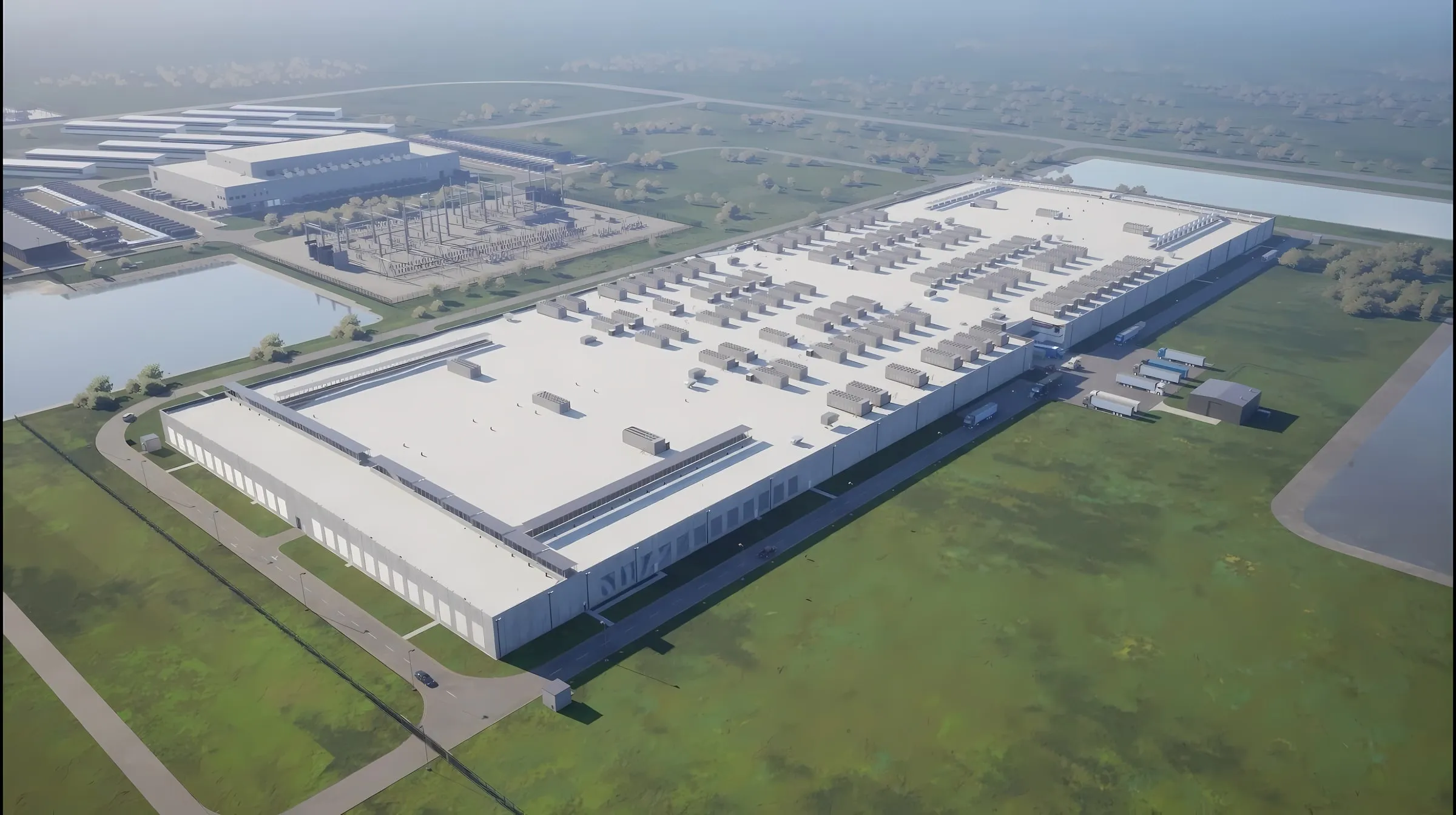
Loudoun County, VA’s ‘Data Center Alley’ brings in about 40% of tax revenue on about 3% of its land
Those are the figures cited by Buddy Rizer, Loudoun’s economic development chief. The county puts FY2026 data center property tax revenue at about $1.2 billion, helping fund public services while creating a budget dependence it has to manage.
Key facts
- Loudoun's FY2026 budget figures put data center real and personal property tax revenue at $1.2 billion, a budgeted figure rather than audited collections.
- Buddy Rizer says data centers generate about 40% of local tax revenue on about 3% of county land; both figures are attributed to him.
- The county counts 233 buildings and 56.5 million square feet built or under construction, not all operational.
Loudoun County, Virginia, has a concrete answer to what data centers can do for their neighbors. Its FY2026 budget figures put the industry’s real and personal property tax revenue at $1.2 billion. That is money available to support public services without putting the entire cost on homeowners and other taxpayers.
Data centers in Loudoun County, Virginia: “We get $1.2 billion a year in local tax revenue, about 40% of all of our tax revenue...on 3% of our land”
— Fireside Alpha (@firesidealpha). Watch the clip on X, November 6, 2026
Buddy Rizer, the county's economic development chief, explained how “data center alley” grew:
“We would have never looked at…
“We get 1.2 billion dollars a year in local tax revenue, about 40% of all of our tax revenue,” Buddy Rizer, Loudoun’s economic development chief, said during WSJ’s full discussion. Data centers take up “only about 3% of all of our land in the county,” he added.
The land figure is Rizer’s estimate. The county’s fiscal figures establish the scale of the contribution, although the $1.2 billion is a budgeted amount, not audited collections. Loudoun’s adopted FY2027 projection rises to $1.3 billion.
That is a substantial local benefit from the physical infrastructure behind our software. It deserves attention alongside the demands these facilities place on their surroundings.
The benefit is in the local tax base
Rizer described the original strategy as practical reuse. Loudoun had existing buildings and internet infrastructure. The plan was to use the fiber loop, internet exchange and reclaimed-water infrastructure to attract data centers, rather than leave those assets underused.
Loudoun Water’s reclaimed-water program, built in 2010, supplies treated wastewater for industrial cooling and irrigation. That gives participating customers an alternative to drinking water for those uses. It does not mean every data center uses reclaimed water, or that the industry uses no water.
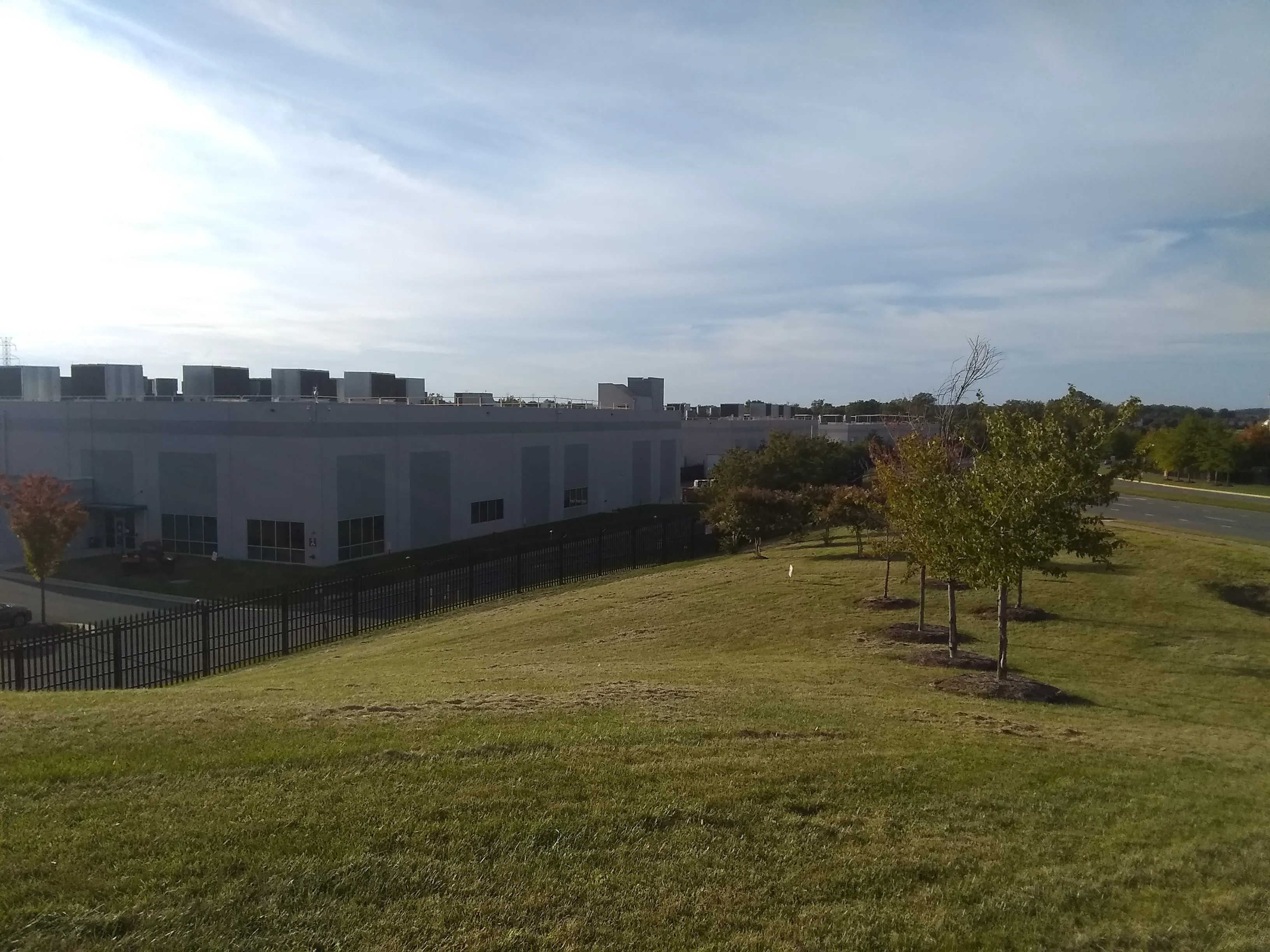
The industry grew far beyond that starting point. The county now counts 233 data center buildings totaling 56.5 million square feet, either built or under construction. That is not a count of operating facilities alone.
The buildings matter to local finances, but so does the equipment inside them. Loudoun’s FY2026 General Fund revenue document budgets about $794.8 million from data center equipment taxes alone. Real property taxes contribute additional revenue.
In the panel, Rizer credited the industry’s growth with helping Loudoun build schools and other public facilities. The basic financial advantage is straightforward. A large commercial tax base gives a county another way to fund services instead of relying as heavily on residential property.
The benefit is less reliance on residential taxpayers, not proof that every household’s bill fell.
It is also not a newly created AI windfall. Later in the discussion, Rizer described Loudoun as roughly 95% a cloud market and said it would not be an AI-training market. The county’s experience is relevant to today’s infrastructure debate, but a new training campus elsewhere will have different requirements.
Keep the revenue, learn from the mistakes
Rizer’s defense of the industry’s contribution was not an argument for unlimited expansion. “I don’t think we should have any more. I don’t think we’re going to get any more,” he said, while arguing that the county should not take its existing businesses to task.
He also acknowledged that some facilities had been built too close to homes. Later, he identified constant equipment noise as a design problem that communities should address before construction. A sound can stay below a legal decibel limit and still bother someone who hears it continuously.
Those admissions make the fiscal argument more useful. Revenue does not excuse poor siting. Communities can recognize the benefit and require better separation from homes and better equipment placement.
There is a budget risk, too. Loudoun’s FY2026 adopted budget identifies the danger of depending heavily on one industry. Its stabilization fund has a target tied to 10% of budgeted data center tax revenue. That target is a planning measure, not a statement of the fund’s current balance.
Loudoun has built a tax base large enough to help pay for services across the county. Keeping that benefit means protecting residents near the facilities and budgeting for revenue that can change. That is a much more useful example for other communities than either promising effortless growth or ignoring what the industry already pays.